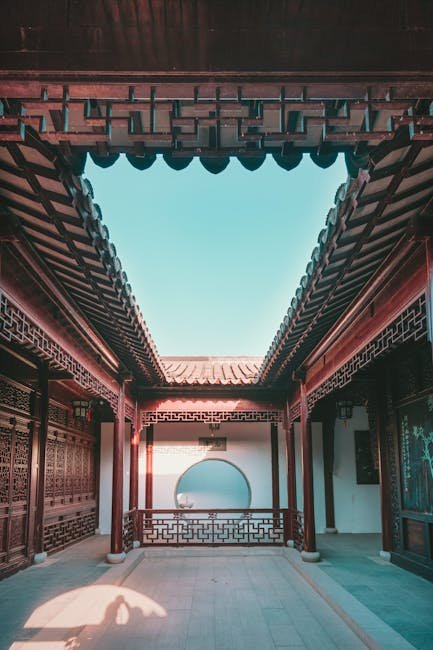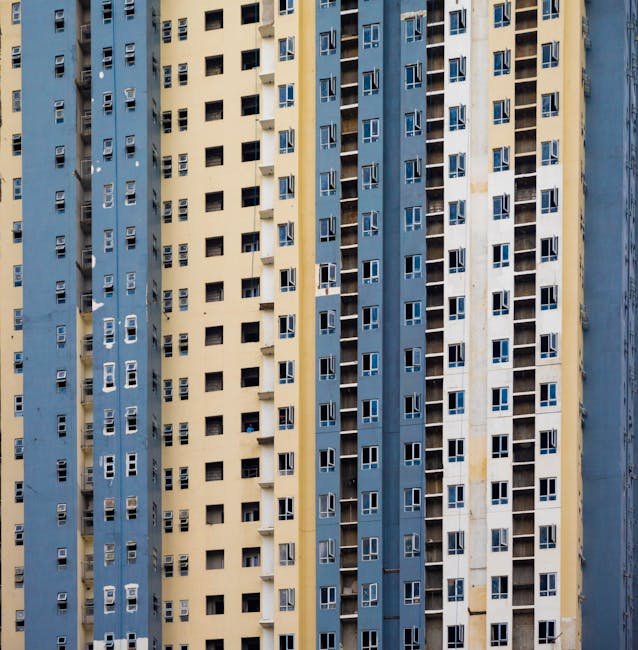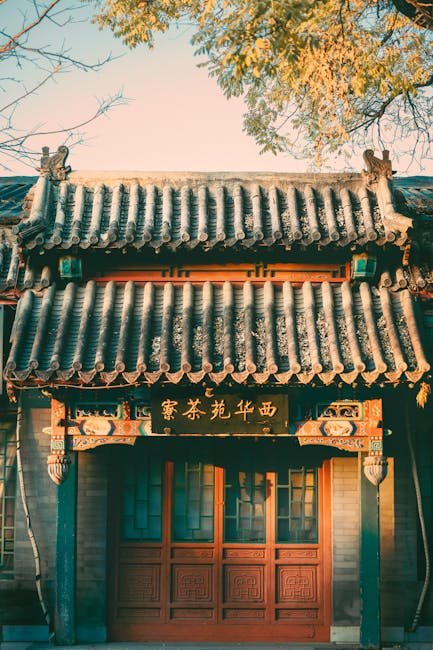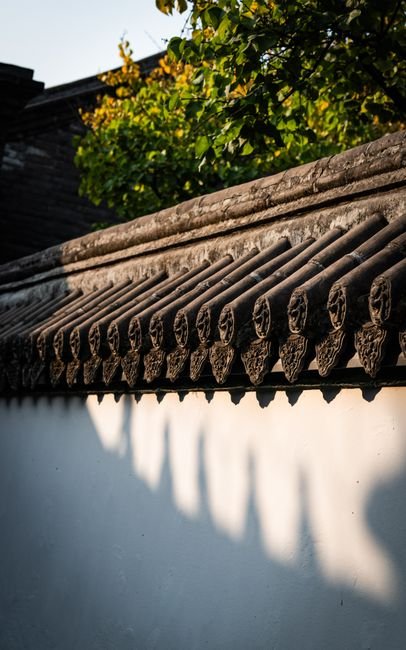
Discover thousands of years of architectural heritage, from imperial palaces to vernacular village homes.
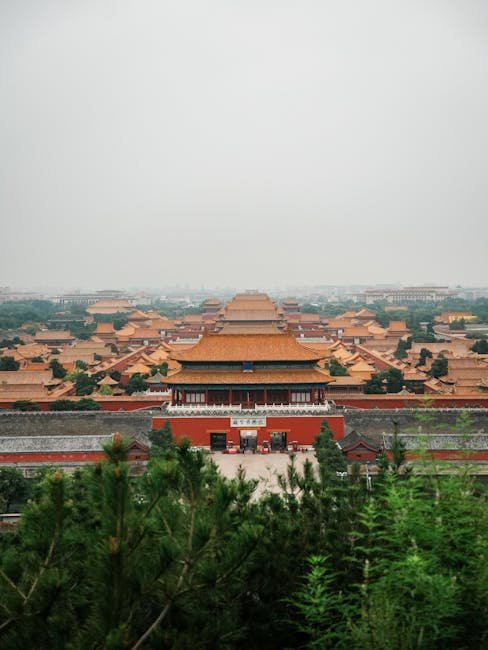
Chinese architecture represents one of the world's oldest and most持续 continuous architectural traditions, with a documented history spanning more than three thousand years. From the imposing grandeur of the Forbidden City to the intimate courtyard homes of Beijing's hutongs, from the soaring wooden pagodas of Buddhist temples to the earthen fortress-tulou of Fujian, the architectural heritage of China is as diverse as it is profound. This site serves as a comprehensive guide to the major styles, regional variations, structural elements, interior design traditions, and iconic landmarks that define Chinese architecture.
A Living Tradition
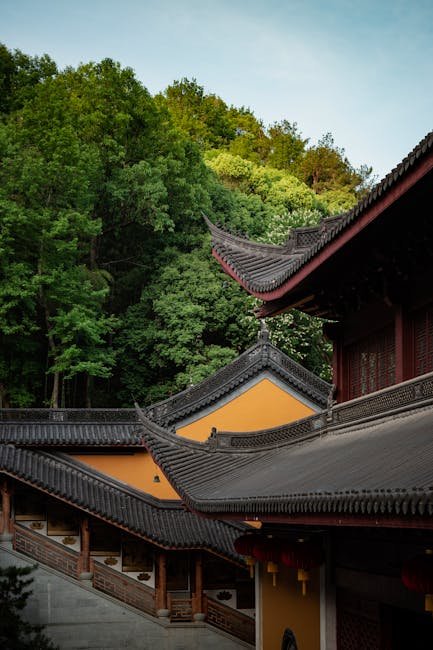
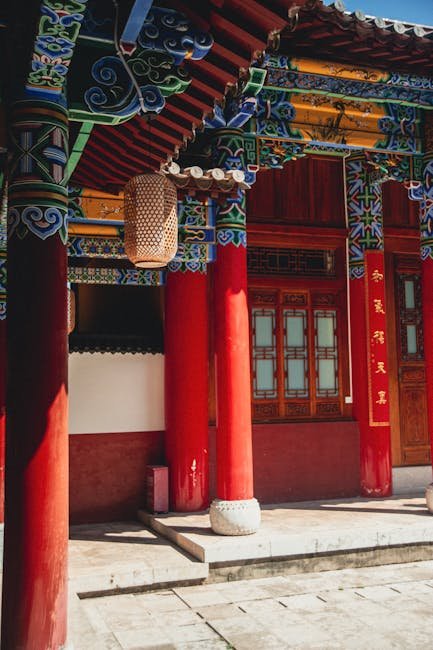
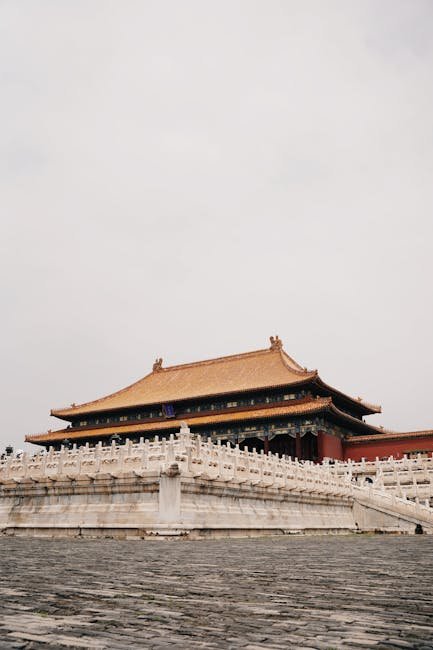
What makes Chinese architecture truly remarkable is its remarkable continuity. The basic structural principles established during the Zhou dynasty (1046-256 BCE) — timber framing, bracket sets (dougong), modular planning, and courtyard organization — continued to evolve and refine themselves through subsequent dynasties, reaching their mature expression in the Ming (1368-1644) and Qing (1644-1912) periods. Unlike Western architecture, which experienced radical breaks and revolutions, Chinese architecture developed through gradual refinement within a coherent tradition. This continuity gives Chinese buildings a timeless quality, where a temple built in the Tang dynasty shares fundamental DNA with a courtyard house built five centuries later.
"Chinese architecture is the longest持续 continuous tradition in world architecture, spanning over three millennia without fundamental rupture. Its genius lies in the perfect marriage of structural logic, symbolic meaning, and aesthetic harmony."
What You Will Find Here
This guide is organized into five major sections, each exploring a different dimension of Chinese architecture. The Residential section examines the diverse housing types found across China, from single-family villas to high-rise apartments and traditional courtyard estates. The Regional Styles section delves into China's rich geographical diversity of architectural expression, from the whitewashed walls of Huizhou to the vibrant colors of Tibetan monasteries. The Elements section explores the fundamental building blocks of Chinese architecture — timber brackets, roof forms, gardens, carvings, and feng shui principles. The Interior section covers the art of Chinese interior design, including furniture, color theory, and decorative traditions. Finally, the Landmarks section features China's most celebrated architectural monuments, with detailed explorations of their history, design, and cultural significance.
The Philosophy Behind Chinese Architecture
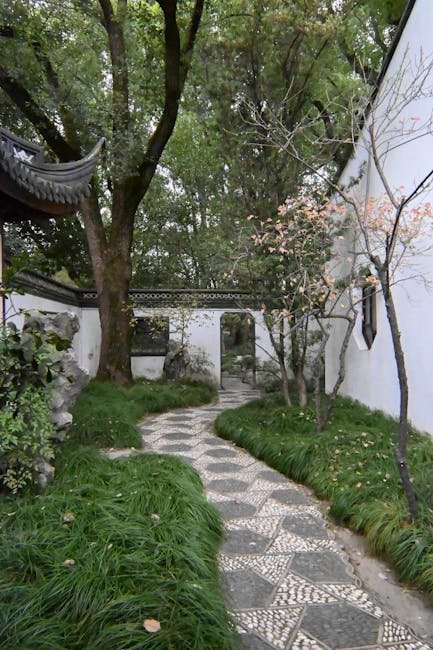
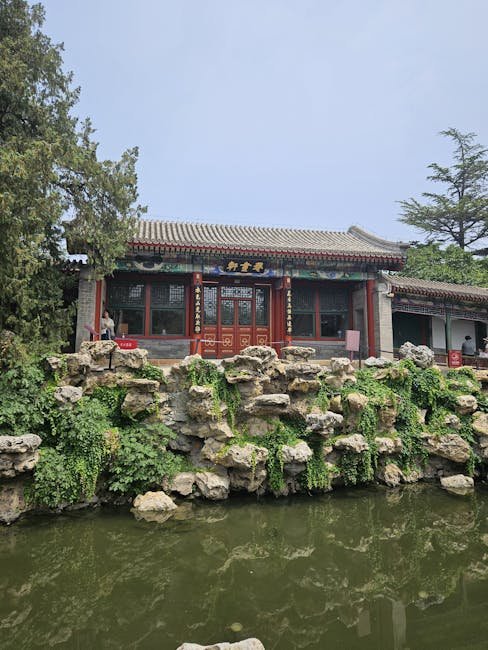
Chinese architecture is deeply rooted in philosophical and cosmological concepts that distinguish it from Western building traditions. The principle of feng shui (wind and water) governs site selection and building orientation, ensuring harmony with natural forces. Confucian hierarchical values are expressed in the axial symmetry and spatial sequencing of courtyard compounds, where the relative importance of spaces reflects family and social hierarchies. Daoist ideas about simplicity and harmony with nature are embodied in the integration of buildings with gardens and natural landscapes. Buddhist influences brought new building types — pagodas, stupas, and temple complexes — that were sinicized and integrated into the existing architectural vocabulary.
The result is an architecture that is not merely functional but deeply meaningful, where every beam, bracket, and roof tile carries symbolic significance. The colors used, the orientation of buildings, the number of roof ridges, and even the placement of decorative motifs all convey messages about status, auspiciousness, and cosmological harmony. Understanding these layers of meaning enriches one's appreciation of Chinese architecture immeasurably and reveals a tradition of extraordinary depth and sophistication.
"A Chinese building is never just a building. It is a cosmological diagram, a social hierarchy made visible, and a philosophical statement rendered in timber and tile. To read Chinese architecture is to read Chinese civilization itself."
Start Exploring
Whether you are an architecture student, a homeowner seeking inspiration for a Chinese-style renovation, a traveler planning a visit to China's historic sites, or simply someone fascinated by the beauty of traditional building, this guide will provide you with detailed, accurate, and engaging information. Each section is written to be accessible to newcomers while offering depth for those already familiar with the subject. We invite you to explore the timeless beauty of Chinese architecture and discover why this ancient tradition continues to inspire architects and homeowners around the world today.