China's architectural heritage includes some of the most extraordinary buildings and monuments ever created by human hands. From the monumental scale of the Forbidden City, the world's largest palace complex, to the ingenious earthen fortresses of the Fujian tulou, from the celestial symbolism of the Temple of Heaven to the serene beauty of Suzhou's classical gardens, China's architectural landmarks represent the highest achievements of Chinese civilization across three millennia. This section explores seven of the most significant architectural landmarks in China, examining their history, design, and cultural significance.
Diversity of Landmarks
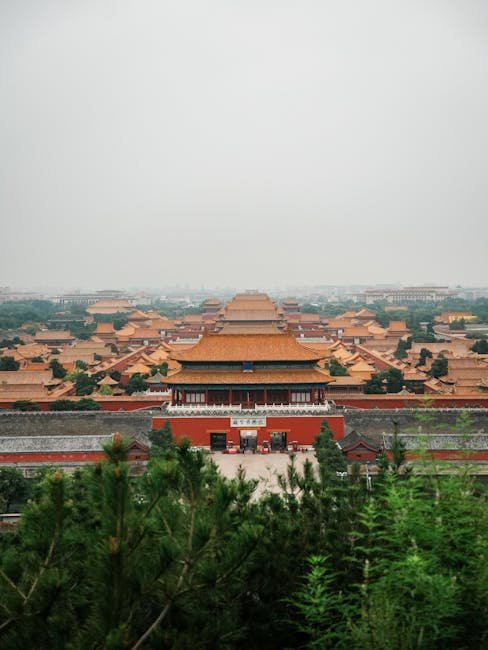
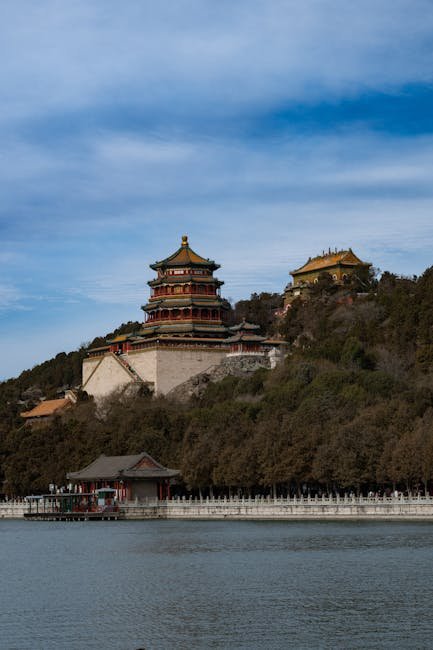
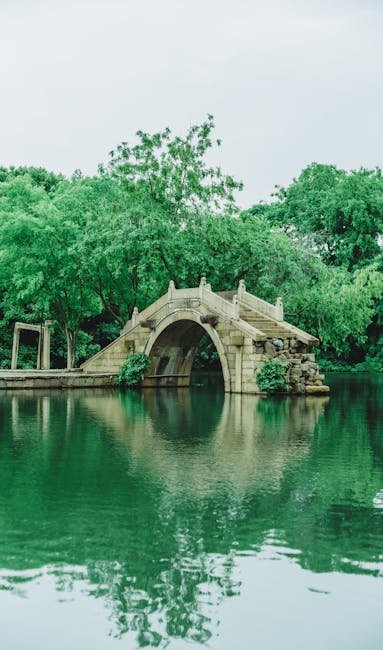
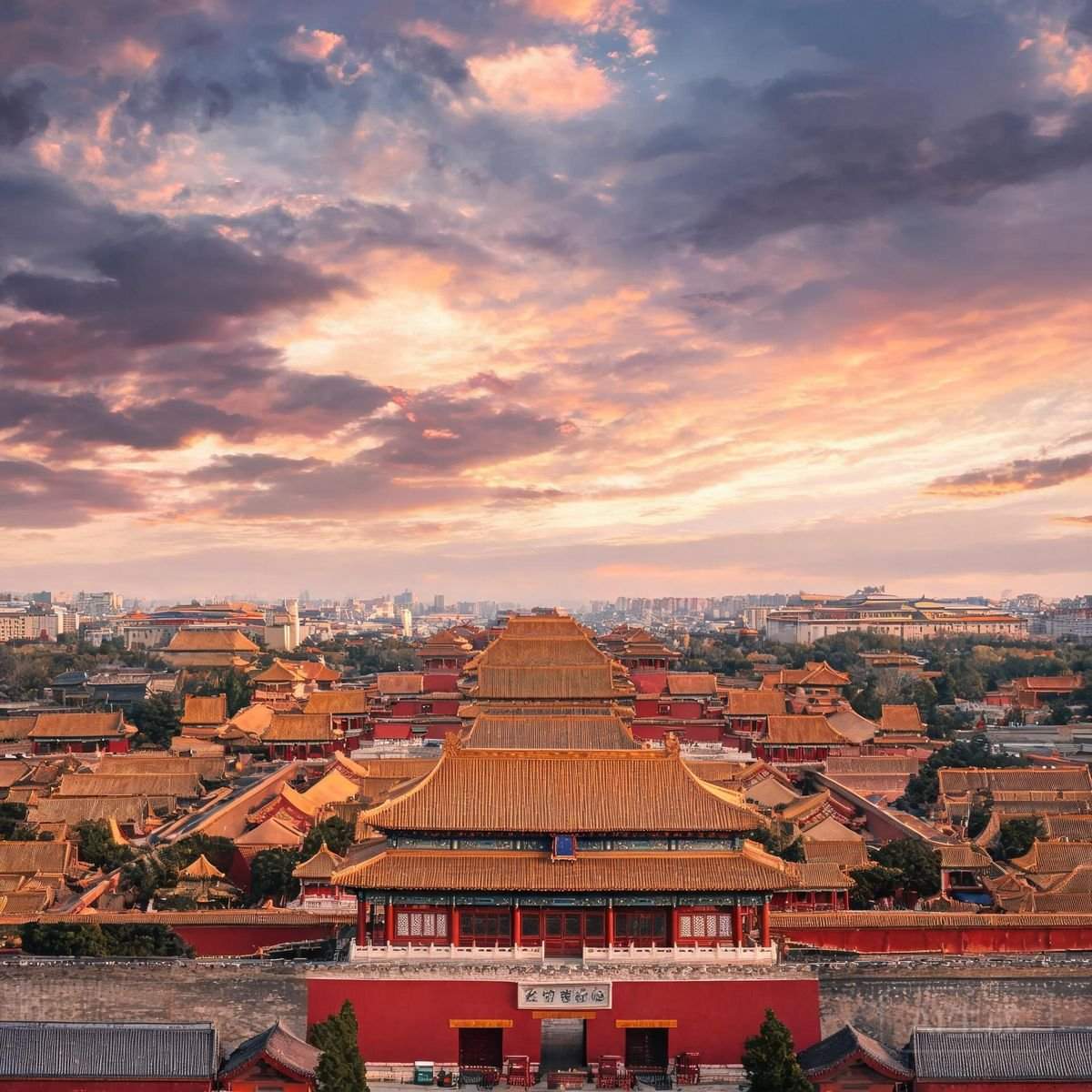
The landmarks covered in this section represent the extraordinary diversity of Chinese architecture. The Forbidden City (故宫) in Beijing is the ultimate expression of imperial Chinese architecture, with its 980 buildings forming a walled city of unparalleled scale and grandeur. The Summer Palace (颐和园) combines imperial architecture with landscape design on a magnificent scale. The Temple of Heaven (天坛) is a masterpiece of ritual architecture, its circular forms embodying the cosmology of imperial China. The Humble Administrator's Garden (拙政园) represents the pinnacle of Chinese garden art.
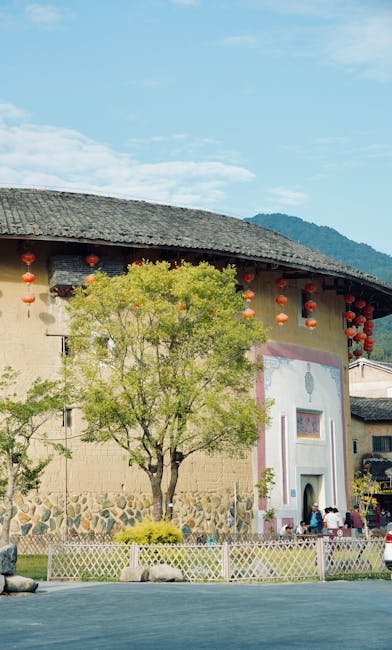
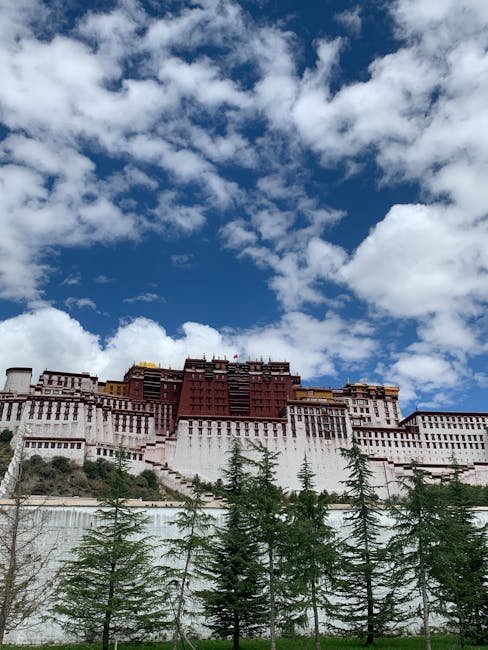
The Fujian Tulou (福建土楼) are among the most remarkable vernacular buildings in the world — massive earthen fortresses that house entire clans. The Potala Palace (布达拉宫) in Lhasa is the supreme achievement of Tibetan Buddhist architecture, perched on a mountainside at 3,700 meters elevation. Each of these landmarks tells a different story about Chinese architecture and the culture that created it. Together, they illustrate the richness, diversity, and historical depth of the Chinese architectural tradition.
UNESCO Recognition and Global Significance
All six landmarks featured in this section are inscribed on the UNESCO World Heritage List, recognized for their Outstanding Universal Value to humanity. The Forbidden City was inscribed in 1987 as the world's largest collection of preserved ancient wooden structures; the Temple of Heaven in 1998 as a masterpiece of architecture and landscape design; the Summer Palace in 1998 as a masterpiece of Chinese landscape garden design; the Classical Gardens of Suzhou (including the Humble Administrator's Garden) in 1997; the Fujian Tulou in 2008; and the Potala Palace in 1994. Together, these six sites attract over 50 million visitors annually and represent a cultural and architectural legacy that belongs not only to China but to all humankind.
The preservation of these landmarks presents ongoing challenges that engage the international conservation community. Climate change, air pollution, mass tourism, and urban development all threaten these fragile sites. The wooden structures of the Forbidden City require continuous maintenance using traditional techniques, the earthen walls of the Fujian Tulou are vulnerable to typhoon damage, and the high-altitude environment of the Potala Palace complicates conservation work. Understanding these landmarks includes understanding the efforts required to preserve them for future generations — a responsibility that involves architects, conservators, engineers, and local communities working together across national boundaries.
"China's architectural landmarks are not isolated monuments but expressions of a continuous civilization that has valued harmony, hierarchy, and cosmological order for over three thousand years. To visit these sites is to walk through Chinese history, to see the values of Chinese civilization made visible in stone, timber, and tile."
Visiting China's Architectural Landmarks
For travelers planning to visit these sites, some practical considerations may enhance the experience. The Forbidden City receives over 16 million visitors annually and requires advance online ticket reservation — visiting on a weekday rather than a weekend or Chinese holiday significantly improves the experience. The Temple of Heaven is best visited in the early morning, when the surrounding park fills with Beijing residents practicing tai chi, playing traditional instruments, and engaging in the community life that has animated this space for centuries. The Humble Administrator's Garden and other Suzhou gardens reward repeat visits across different seasons, as the garden design was conceived to present different faces in spring, summer, autumn, and winter.
The Fujian Tulou are located in the mountainous border region of Fujian and Guangdong provinces, best accessed from Xiamen via a three-hour drive through dramatic mountain scenery. Many tulou still house resident communities, and several offer simple guesthouse accommodations, allowing visitors to experience the distinctive acoustic and thermal environment of these earthen structures firsthand. The Potala Palace, due to its extreme altitude (3,700 meters), requires visitors to acclimate in Lhasa for at least one day before attempting the climb — the palace contains over 1,000 rooms spread across thirteen stories, and the high-altitude exertion can be challenging for those arriving directly from sea level.
Each landmark article in this section includes practical visitor information alongside architectural analysis. Understanding these sites involves not only studying their design and history but also experiencing them as living places — spaces that continue to shape the lives of the people who visit, work in, and care for them. Whether you are planning a trip to China or exploring from your armchair, these articles provide the context needed to appreciate some of the world's greatest architectural achievements.
Research and Scholarship
The study of these landmarks has generated a vast scholarly literature in both Chinese and Western languages. Key works for English-language readers include Liang Sicheng's "Chinese Architecture: A Pictorial History" (edited by Wilma Fairbank), Nancy Steinhardt's "Chinese Architecture: A History," and the multi-volume "Science and Civilisation in China" series edited by Joseph Needham, whose volume on building technology remains a foundational reference. Recent scholarship has increasingly focused on the social history of these sites — who built them, who used them, and how their meanings have changed over time — supplementing the traditional emphasis on architectural form and dynastic chronology. For readers interested in pursuing deeper study of any landmark, each article in this section includes references to key scholarly works and suggestions for further reading.
The six landmarks presented in this section represent starting points rather than an exhaustive catalogue of China's architectural treasures. Other sites of comparable significance — the Longmen Grottoes, the Mogao Caves at Dunhuang, the Temple of Confucius in Qufu, the ancient city of Pingyao, the classical gardens of Yangzhou, and countless others — await those who wish to explore further. We hope that the articles in this section inspire readers to continue their own explorations of Chinese architectural heritage, whether through travel, further reading, or engagement with the growing community of scholars, conservators, and enthusiasts dedicated to understanding and preserving this irreplaceable cultural legacy.